
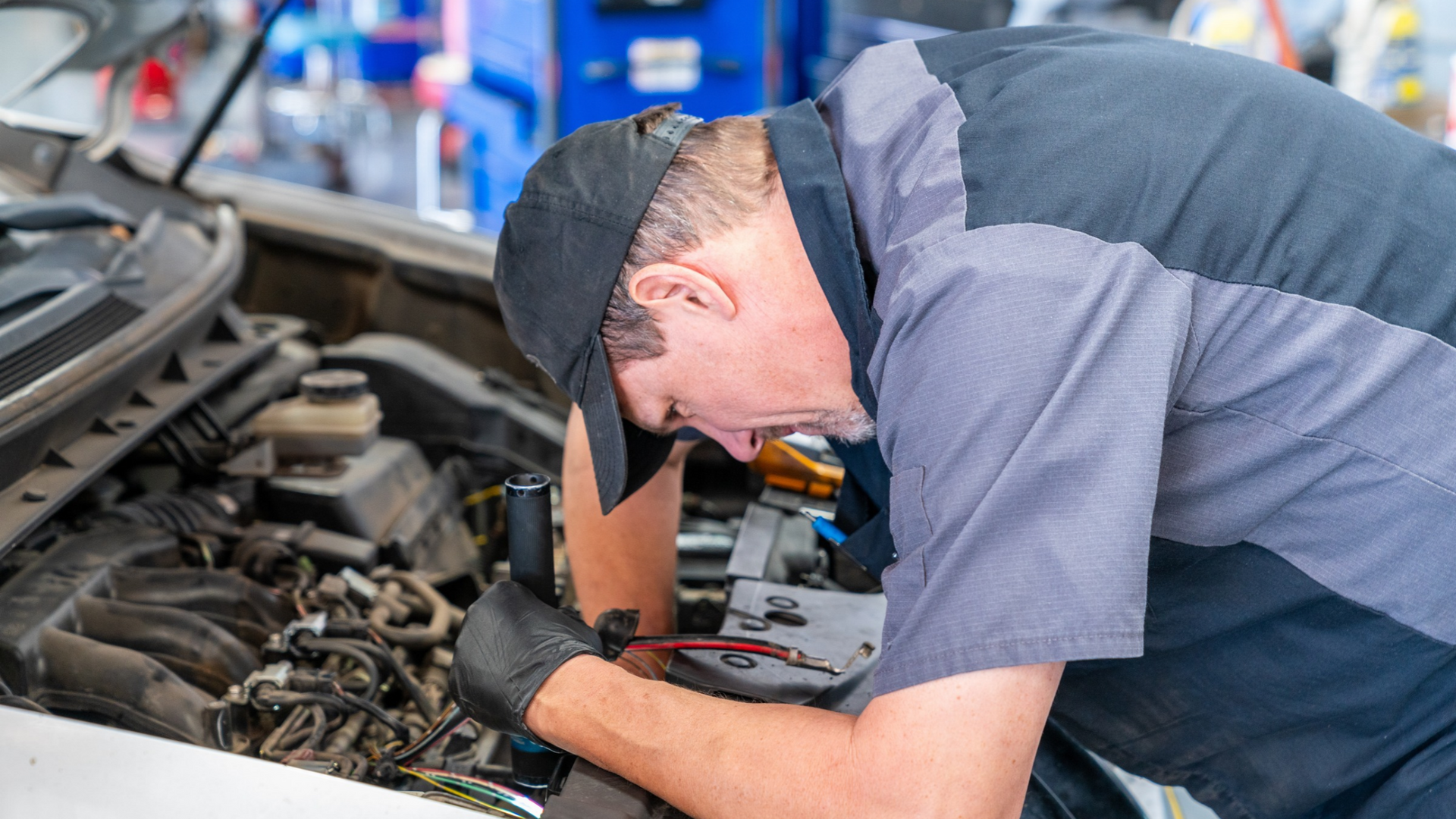
How to decide what needs attention now, what can wait, and what could cost more later. When an inspection turns up several repairs, the goal is to understand what needs attention now, what can wait, and what could get worse if you put it off. At SSC Auto Repair, we break repairs down by priority so you can make a wise decision without pressure. What Auto Repairs Should Be Done First? Safety comes first. If a problem affects your ability to stop, steer, control the vehicle, or safely drive around other people, that is the number one priority. After that, we look at problems that could damage the vehicle or become more expensive if they are ignored. A practical repair priority list looks like this: Safety repairs: Brakes, tires, steering, suspension, or anything affecting vehicle control Repairs that prevent bigger damage: Problems that can lead to more expensive failures Maintenance and future repairs: Items that matter but can reasonably be scheduled later Not everything on an inspection report is equally urgent. A good shop should tell you the difference. Can You Wait on a Car Repair? Sometimes, yes. The important question is what happens if you wait. Brakes are a good example. If the pads are worn but still have material left, repairing them now may allow the rotors to be resurfaced. Keep driving until the pads go metal to metal and you may need rotors too. A coolant leak can work the same way. It may be small today, but if it lets go, the engine can overheat rapidly. A manageable cooling system repair can become major engine damage. We do not need to make every repair sound urgent. We do need to explain the potential outcome of waiting. Your Inspection Should Give You a Plan A digital vehicle inspection is useful because it shows what we found. But a long report without an explanation can create more stress than clarity. If we find ten items, we will help you understand which ones matter most. Some may need attention now. Others may simply be showing wear that should be watched or planned for later. That is where trust matters. You should not have to guess which repairs are important or wonder whether everything on the list has to happen today. What If the Most Important Repairs Are Too Expensive? Sometimes the repairs that make sense are more than someone can comfortably handle in one visit. SSC Auto Repair has multiple financing options when that helps, but financing is not the point of the conversation. The point is giving you clear information. You should know what protects your safety, what protects the vehicle, what can wait, and what waiting could mean. You may not be able to fix everything today. That is okay. Start with what matters most.
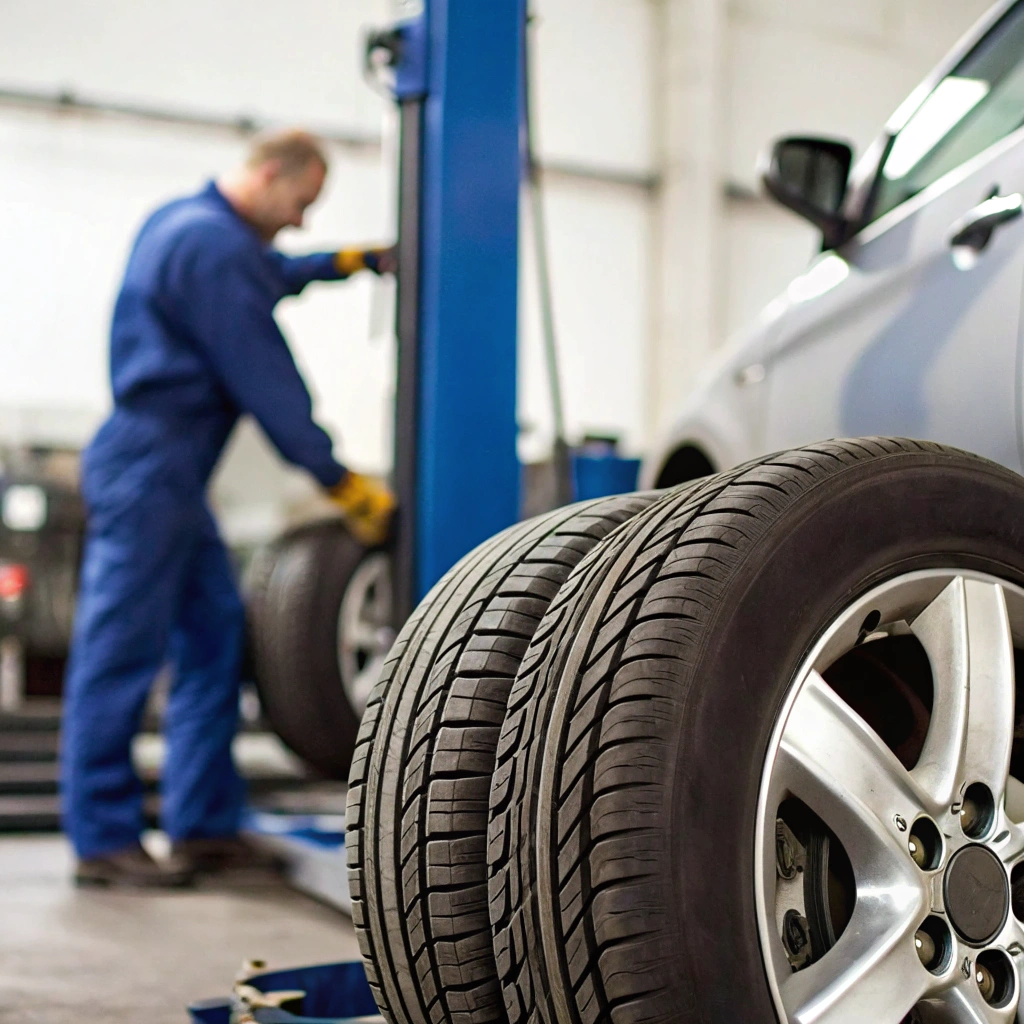
The Tires Still Had Tread. We Said No to the Rotation Anyway. A customer recently brought us a vehicle for a tire rotation. We said no. The tires were not bald. In fact, they still had a decent amount of tread left. The problem was the rubber. Arizona heat had baked the tires until cracks began forming across the tread and around the sidewalls. Rotating them would not make them safer or extend their useful life. It would only move the problem to a different corner of the car. So instead of charging for a service that would not help, we recommended replacing the tires. The tread was still there. The rubber wasn’t. Most people judge a tire by its tread. That makes sense. Tread is easy to see, and everyone knows a bald tire is a bad tire. But tread depth is only part of the story. Tires are made from rubber compounds that change as they age. Heat, sunlight, oxygen and time can cause the rubber to harden and crack. You may hear this called weather cracking or dry rot. That means a tire can still look usable at first glance while the rubber itself is already breaking down. Arizona is brutal on tires Low mileage does not always mean a tire is in good condition, especially here. A vehicle may only be driven a few thousand miles each year, leaving plenty of tread behind. But those tires are still spending year after year sitting in Arizona heat and sunlight. We regularly see this on vehicles that are not driven much. The tread looks almost new, but the rubber has become dry, hardened or cracked. The odometer does not tell the whole story either. Does every small crack mean you need tires? No. The location, depth and severity of the cracking matter. A few minor surface marks are not the same as deep cracking between the tread blocks or along the sidewall. That is why tires should be inspected instead of diagnosed from one quick glance. As the rubber continues to age, it loses flexibility and becomes more vulnerable to damage and failure. The National Highway Traffic Safety Administration warns that tires become more prone to failure as they age, even when they still have tread remaining. Tread depth matters. So do age, condition and what the rubber is telling us. Why didn’t we just rotate them? A tire rotation is meant to even out normal wear and help a healthy set of tires last longer. It cannot reverse aging rubber. It cannot remove cracks. It cannot make a weakened tire safer. Once the condition of the rubber becomes the real problem, a rotation no longer accomplishes what the customer is paying for. Performing it would have been easy. It just would not have been useful. How old are your tires? You can find the manufacturing date at the end of the DOT code on the tire’s sidewall. The final four numbers identify the week and year the tire was made. For example, 1821 means the tire was manufactured during the eighteenth week of 2021. There is no single age that automatically condemns every tire. Different manufacturers have their own guidelines, and how a tire is driven, maintained and stored all matter. Visible cracking may justify replacement before an age guideline does. That is why we inspect the entire tire instead of making a recommendation from one number alone. Sometimes the right service is the one we do not perform Your car will always need maintenance. We do not need to turn every visit into that day. Our job is to inspect what is actually in front of us, show you what we find and recommend what makes sense. Sometimes that means performing the service you requested. Sometimes it means telling you it can wait. And sometimes it means saying no because the service will not solve the real problem. We would rather earn your trust than charge you for something that will not help.
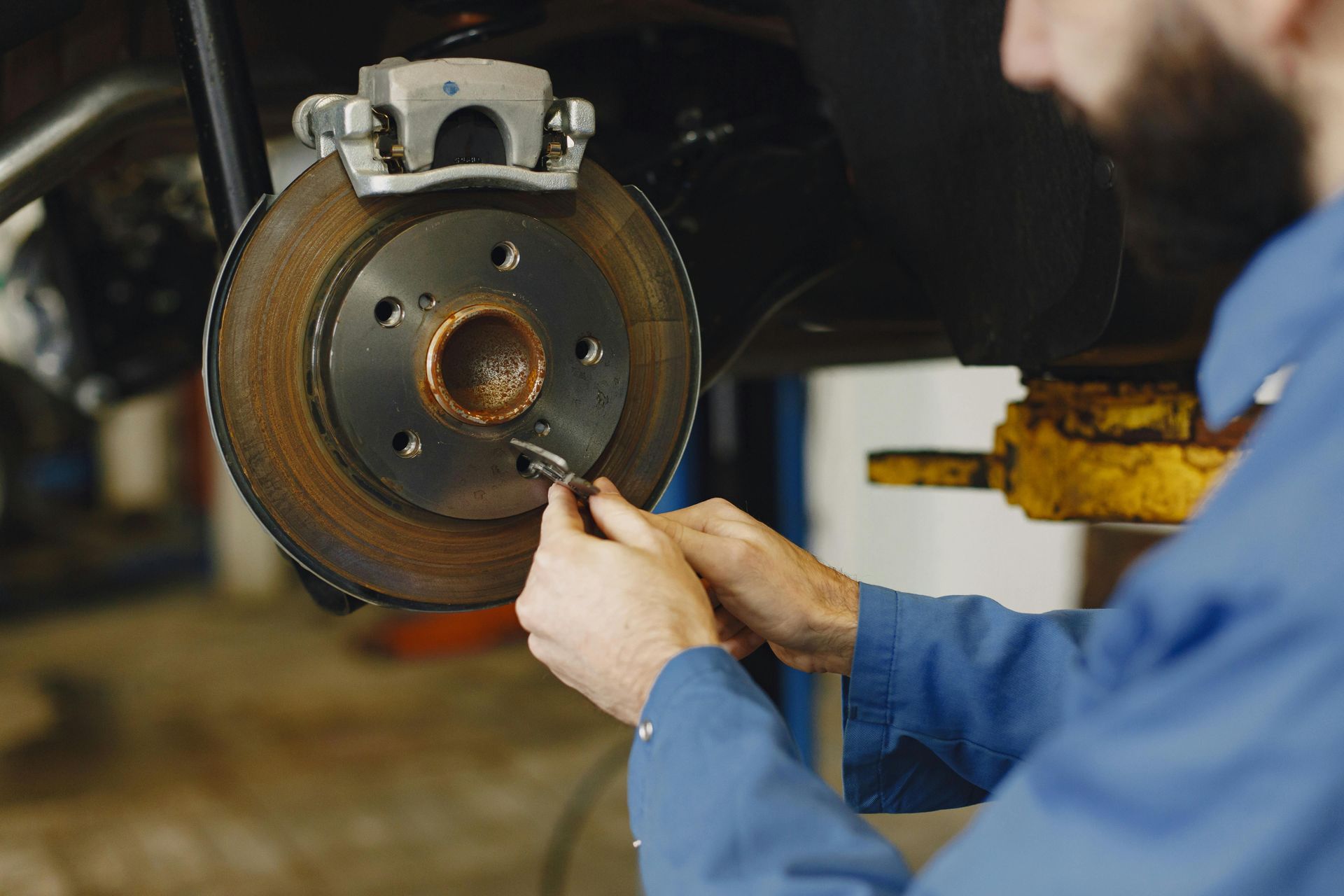
What Causes Brake Vibrations and Why They Often Get Worse Over Time
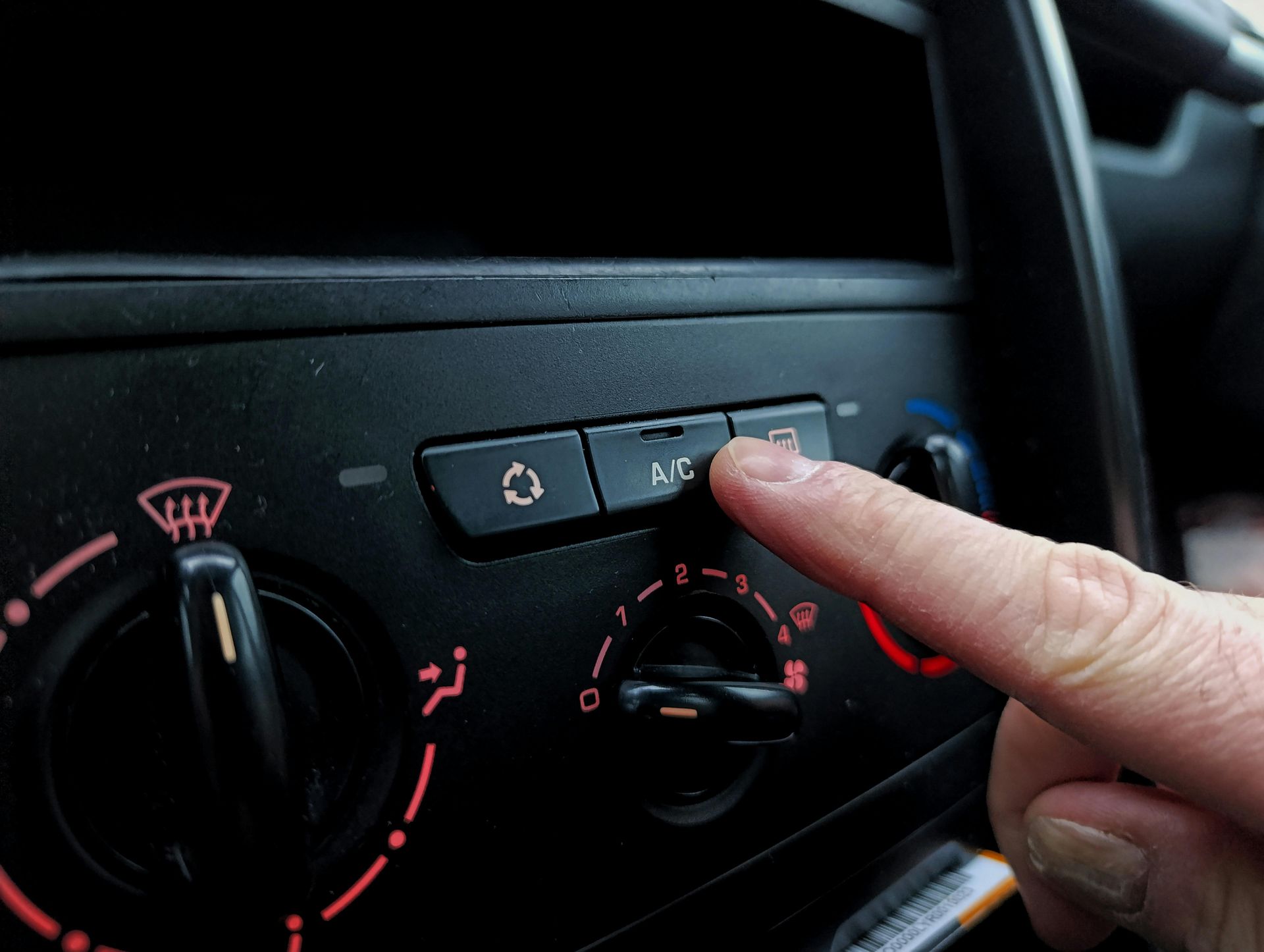
Common Causes of AC Problems That Become Noticeable at Stoplights and in Arizona Traffic

Arizona Heat Pushes AC Systems Hard You usually notice it sitting at a stoplight. The AC that felt fine a few weeks ago suddenly can’t keep up. The air gets warmer, the cabin heats up fast, and the drive becomes miserable. Sometimes the AC is cold while driving but warm at idle. Sometimes it takes forever to cool down. Other times it simply stops blowing cold air altogether. A lot of drivers assume they just need an AC recharge. Sometimes that’s true. But during Arizona summers, weak AC systems tend to show bigger underlying problems once temperatures really climb. Low Refrigerant Is Only Part of the Story Low refrigerant is one of the most common reasons AC systems stop cooling properly. When refrigerant levels drop, the system loses efficiency and struggles to keep vent temperatures cold during extreme heat. Arizona summers make even small AC problems feel much worse. But low refrigerant usually raises another question: where did it go? Small leaks can develop in hoses, seals, condensers, or other AC components over time. Some are obvious. Others are extremely slow and difficult to detect without proper inspection. Common signs of AC problems include: AC cold while driving but warm at stoplights Weak airflow from vents AC taking longer to cool down Air that feels cool but not truly cold Cooling that gets worse during the hottest part of the day In many cases, simply adding refrigerant may only improve performance temporarily if another issue exists underneath. Airflow and Compressor Problems Are Also Common Not every AC problem is caused by low refrigerant. Cooling fans, airflow restrictions, electrical problems, and failing compressors can all affect how well your AC performs — especially during long Arizona summers. One of the most common complaints we hear is: “My AC works better while driving than when I’m sitting still.” That often points toward airflow or cooling fan issues. We also regularly see compressors begin struggling once systems are placed under heavier heat load during summer. The earlier these issues are identified, the better chance there is of avoiding larger repairs later. Why Proper AC Inspection Matters At SSC Auto Repair, we do more than simply add refrigerant and send vehicles back out the door. We inspect how the entire AC system is performing so we can help determine whether the issue involves refrigerant levels, leaks, airflow problems, compressor concerns, or something else affecting performance. Arizona summers are hard enough without driving a vehicle that can’t stay cool. If your car’s AC is already struggling now, there’s a good chance the problem will become much more noticeable once temperatures peak.
If you’ve ever second-guessed a repair, you already know why this matters.
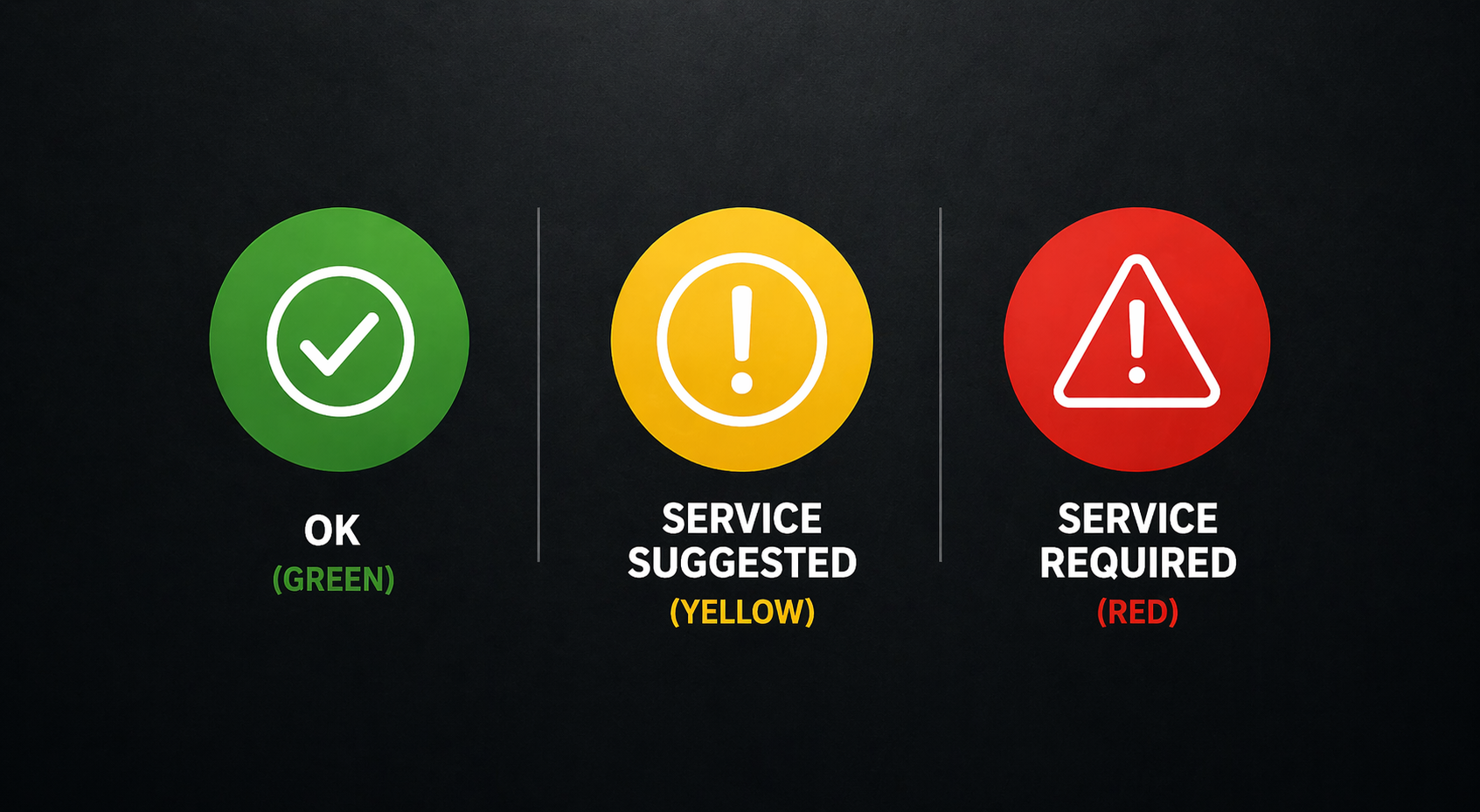
A clear, simple way to understand what needs attention now, what can wait, and how to avoid unnecessary repairs
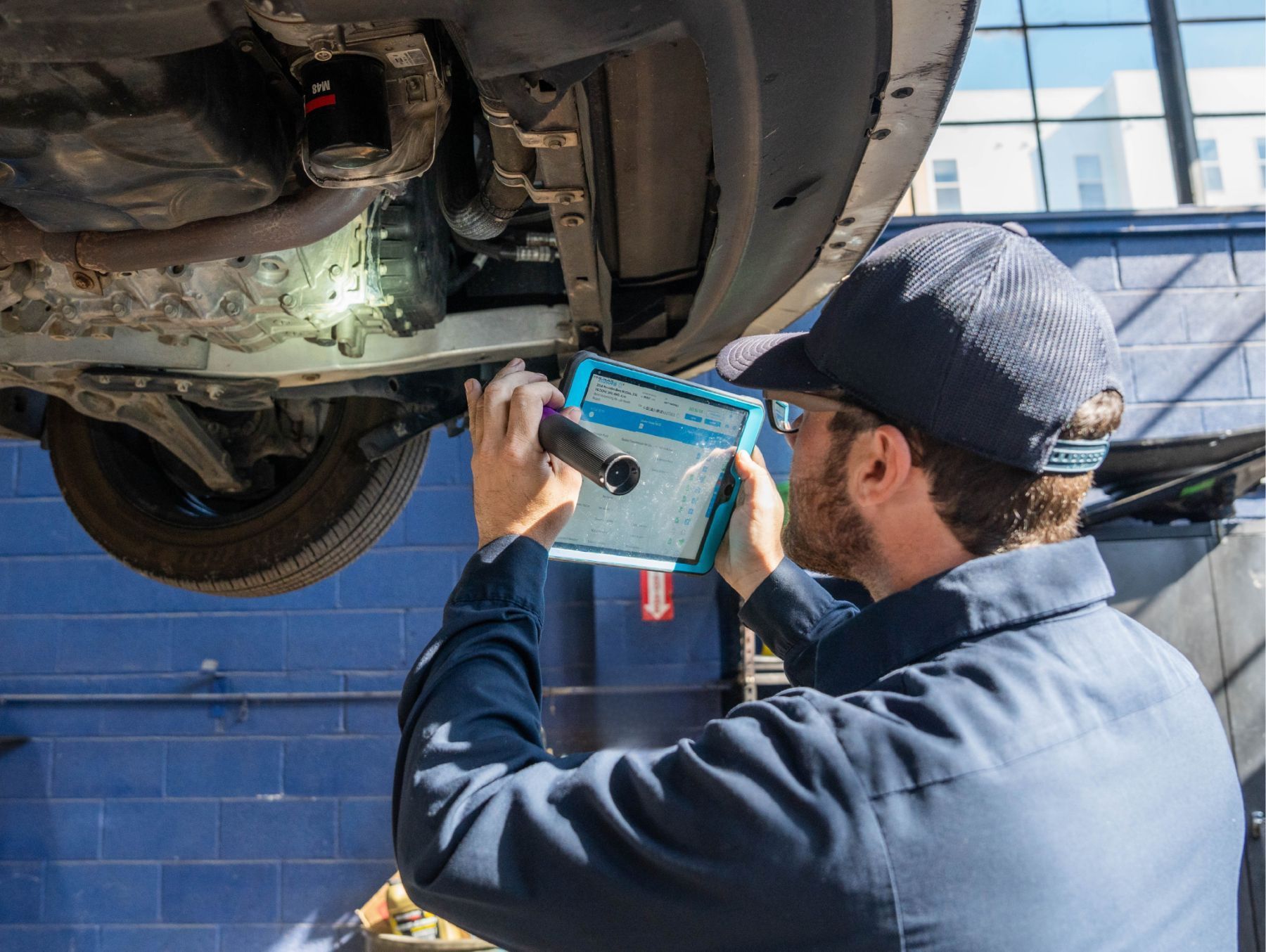
How Digital Vehicle Inspections Give Phoenix Drivers Full Transparency and Confidence A digital inspection gives you something most drivers don’t usually get. Proof. Not just a conversation. Not just a recommendation. At SSC Auto Repair, a digital inspection isn’t just a report—it’s a system. It allows us to consistently check, document, and track your vehicle over time while giving you full visibility into what’s actually going on. What a Digital Inspection Really Does A digital inspection creates a structured way to evaluate your vehicle. Every visit follows a checklist. Every item is reviewed. Everything is documented. That consistency matters. It means nothing gets overlooked, and it gives us a complete picture of how your vehicle is changing over time. At the same time, it gives you direct access to that information. Photos. Notes. Status updates. Not just told—shown. See What the Technician Sees One of the biggest differences with a digital inspection is visibility. You’re not relying on someone explaining a part or trying to picture what’s happening under your vehicle. You can actually see it. A worn component A small leak Uneven tire wear Or even confirmation that everything looks good That changes the entire experience. It replaces uncertainty with understanding. 👉 how proper testing confirms what is actually causing a problem Delivered Straight to You Once the inspection is complete, everything is sent directly to you. You can receive it by text or email, and you can: Review photos and notes See what’s in good condition and what needs attention Approve work if you’re ready Save it for later It’s your information. You can look at it on your own time, without pressure. Built for Accuracy and Consistency A digital inspection isn’t just helpful for you—it improves how we work. Every visit creates a record. That history allows us to: Track changes over time Catch patterns early Stay consistent with what we check Be more accurate with recommendations The more we document, the better we understand your vehicle. And the better we can guide you. Transparency Works Both Ways We’ve built our shop on honesty. A digital inspection supports that. It holds us accountable to what we say we see, and it gives you the ability to verify it for yourself. There’s no guesswork. No “just trust us.” You have clear, documented proof of your vehicle’s condition. 👉 how routine services help monitor your vehicle over time Why This Matters Over Time Every vehicle wears down. That’s part of ownership. The difference is how early you see those changes and how clearly they’re explained. With a digital inspection, each visit builds on the last. You’re not starting from scratch every time. You’re building a history: What looked good What changed What may need attention next That makes it easier to plan, budget, and stay ahead of bigger problems. From Uncertainty to Confidence Most stress around car repair comes from not knowing. Not knowing what’s wrong. Not knowing if it’s urgent. Not knowing if you’re making the right decision. A digital inspection removes that. You get clear information, visual proof, and a structured explanation. From there, the decision is yours. And that’s what turns a service visit into something straightforward instead of stressful.
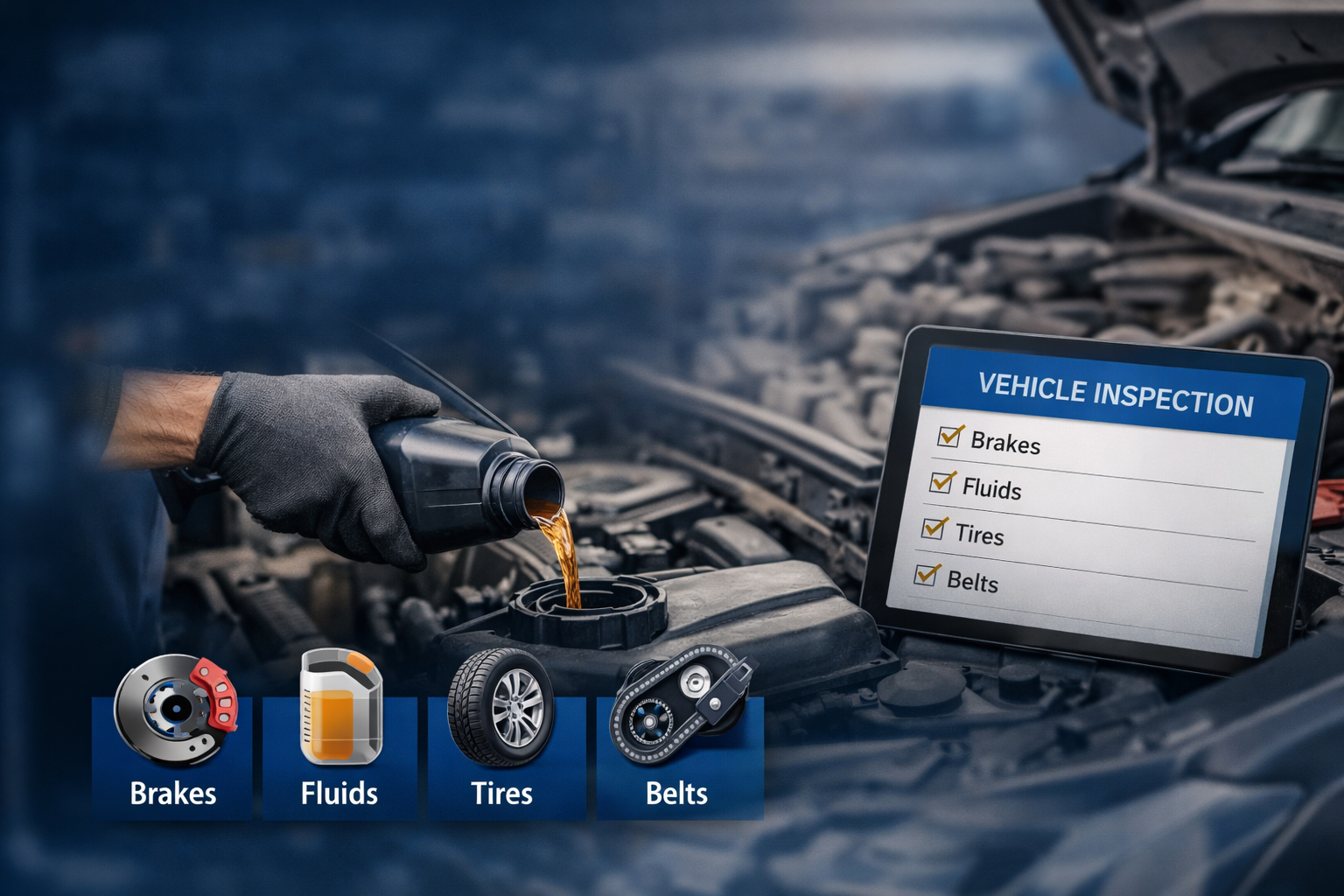
How Routine Oil Changes Help Phoenix Drivers Stay Safe and Plan Ahead

When Phoenix Drivers Should Have Their Vehicle Checked